
How to evaluate a chair sample before you commit to production
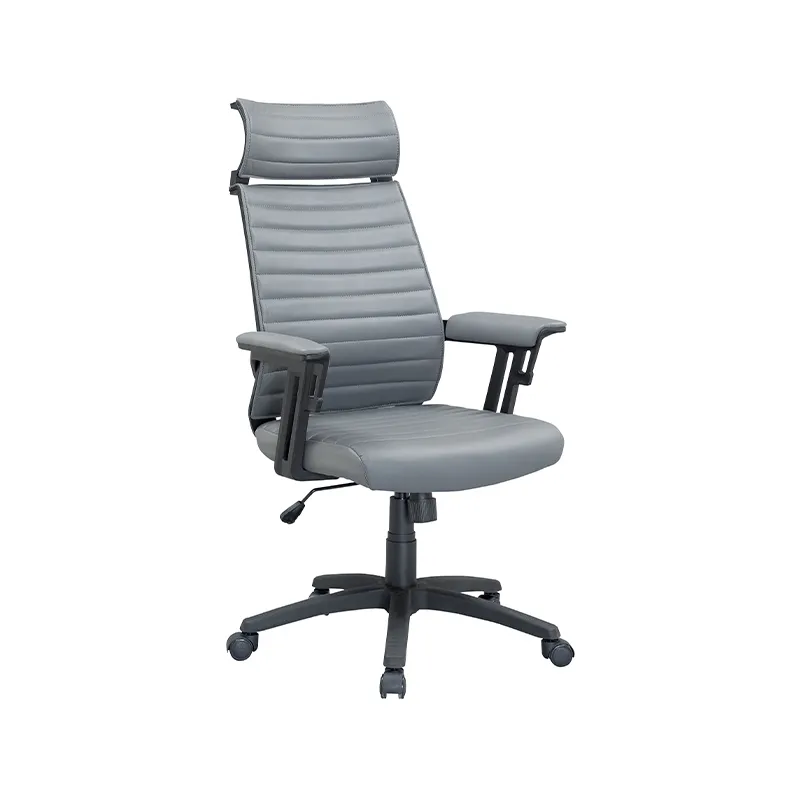
Ordering a sample is the cheapest insurance in this business. But a sample only protects you if you actually *work* it — and then write down what you agreed. Here's the routine.
Before it arrives: agree what you're judging
Tell the supplier the sample should be representative of production, in the exact spec you'll order — same gas lift class, foam density, mesh/PU grade, mechanism. A "show sample" built better than the real run is how buyers get fooled. Put the spec in the email so there's a record.
When it arrives: the physical test
Don't be gentle. Run the full check (we've got a longer version in our 8-point guide):
- Drop into it hard, the way a tired person does. Listen for clunks; feel the gas lift absorb the shock.
- Lean to the recline limit. It should hold with no groan and no tipping feeling.
- Work every adjustment ten times — height, tilt, lumbar, arms. Stiff now means broken later.
- Look underneath at the mechanism and welds. Smooth, even, clean.
- Press the foam — it should give and rebound, not bottom out.
- Check the upholstery — even stitching, taut mesh, no glue squeeze-out, no loose threads.
- Roll the casters on your actual floor type.
Then: the things people skip
- Weigh and measure it. Compare against the spec sheet. A sample that's lighter than promised often means thinner steel or lower-density foam in the real run.
- Photograph everything, including labels and the gas lift markings. This is your reference for inspection later.
- Smell it. A strong chemical smell can be an issue for some markets and platforms.
- Live with it for a few days if you can. Some problems (a back that's almost-but-not-quite right, a seat edge that numbs your legs) only show up after hours, not minutes.
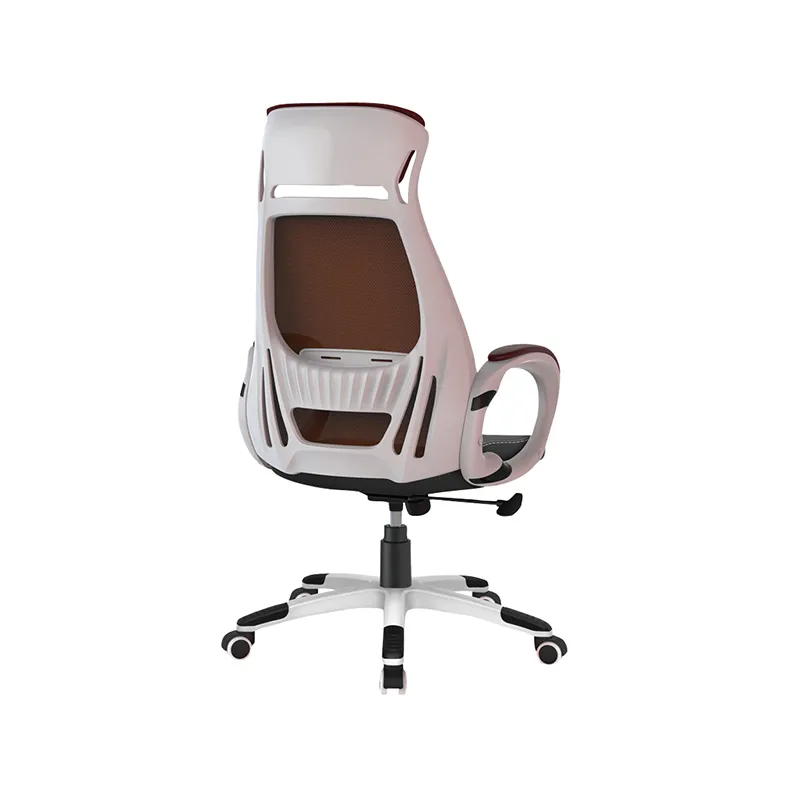
After approval: lock it down in writing
This is the step that actually protects you. The sampling-before-production guide on ChairManufacturer.net goes deep on the paperwork side; here's the practical summary. Once you approve a sample:
- Keep the approved sample (or detailed photos + spec) as the reference standard.
- State in the order that production must match the approved sample, and name the key specs (gas lift class, foam density, mechanism, fabric).
- Book a pre-shipment AQL inspection against that standard. The approved sample is what the inspector checks against.
A sample without a written standard and an inspection is just a nice chair on your desk. A sample *with* them is a contract.
The mindset
Treat the sample as the moment you find problems — because finding them here costs a sample fee, and finding them in 500 units costs an order. A good factory wants you to be thorough; it's cheaper for us too.
Want a representative production sample to put through this? Tell us the model and spec at mail@ajrt.net or through the site, and we'll build one that matches what you'll actually receive.