How an office chair is actually made: a walk down our line
Most buyers see a chair as a finished photo. We see it as about a dozen steps, each with its own way of going wrong. Here's the honest walk-through — useful whether you're sourcing your first container or just want to know what your money pays for.
1. Metalwork: the skeleton
It starts with steel tube and sheet. On our line, automatic pipe benders shape the frames and a CNC punch cuts the brackets, because hand-bent frames drift out of tolerance and you feel it later as a chair that sits crooked. Frames are then welded — and this is the first quiet quality gate. A clean, consistent weld lasts years; a cold or rushed weld is the crack you'll hear about in month eight.
2. Foam: the part you sit on
Seat and back foam is poured into moulds at a set density. Density is the number that matters and the one cheap factories quietly drop — lower density feels the same on day one and goes flat in a season. We mould to a target density per model so the seat still supports a person after a year of daily use.
3. Upholstery: cut, sew, wrap
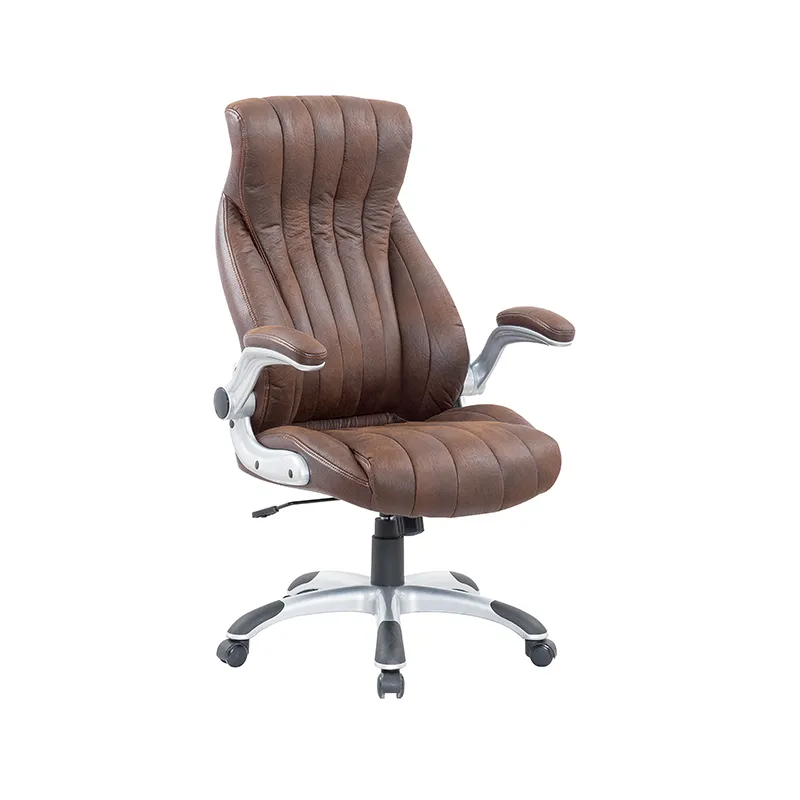
Fabric, mesh or PU is cut, sewn and wrapped over the foam and frame. This is skilled hand-work, and it's where a chair looks expensive or cheap: even stitching, tight corners, no glue squeeze-out, mesh tensioned evenly. A good upholstery team is hard to build and easy to spot — it's why we keep this in-house instead of farming it out.
4. Components: the bought-in parts
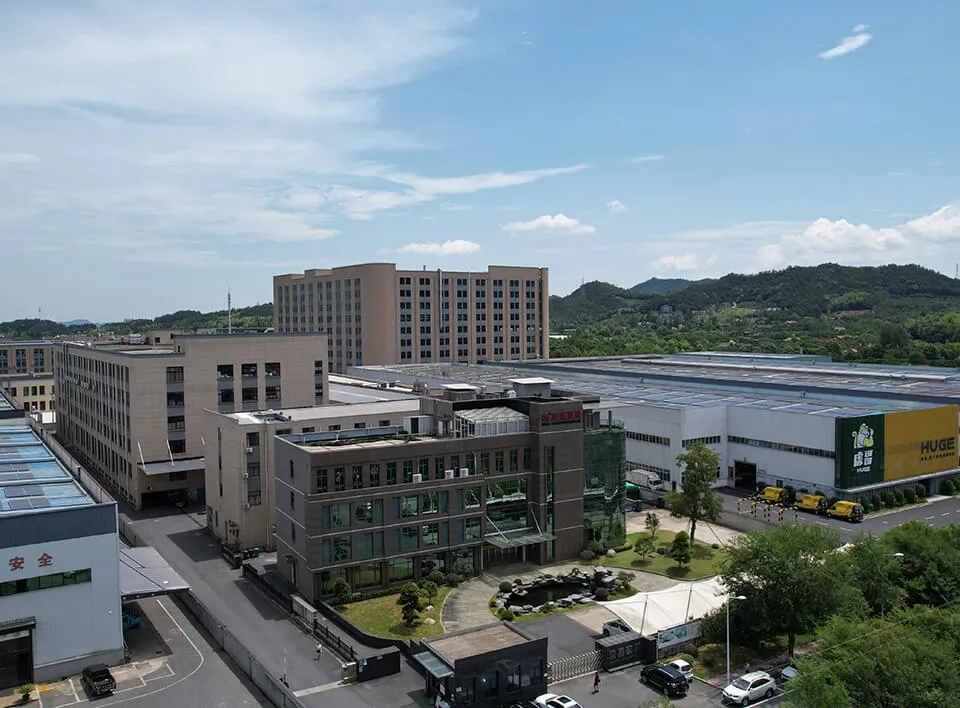
Gas lift, mechanism, base, casters, armrests. Even a great factory buys some of these from specialists — the trick is buying the *right grade*. We spec rated gas lifts (SGS Class 3/4) and matched mechanisms rather than whatever is cheapest that week. Being in Anji helps here: these suppliers are a few kilometres away, so we can hold grade and still hold lead time.
5. Assembly and the QC checkpoint
Parts come together at assembly. Before anything is packed, samples are pulled for checks: every adjustment worked, the chair sits level, the recline holds, nothing rattles. We also run fatigue and load-bearing tests to BIFMA standards on production samples — dropping weight onto seats thousands of times, cycling the mechanism, loading the base. The point is for a weak part to fail *here*, in our plant, not at your customer's desk.
6. Packing: the step everyone underestimates
A chair survives the factory and then gets thrown around three logistics yards and an ocean. Packing is real engineering: right foam corners, carton strength, and a knock-down layout that protects the chair *and* fits the most units into a 40HQ. Skimp here and you save pennies on cartons and lose dollars on damaged-on-arrival claims.
Where it goes wrong (and how to protect yourself)
Three steps cause most problems: welds (frame), foam density (comfort/longevity), and packing (arrival condition). You can't stand on our line, but you can:
- Ask which steps are done in-house vs outsourced.
- Agree foam density and gas lift class in writing.
- Book a pre-shipment AQL inspection — yours or a third party's.
A factory that's comfortable with all three is a factory that runs these steps properly. If you want to see ours — by video walk-through or in person — or you'd like a sample built so you can judge the welds and foam yourself, email mail@ajrt.net or message us through the site.