
AQL inspection for chairs: what actually gets checked before shipment
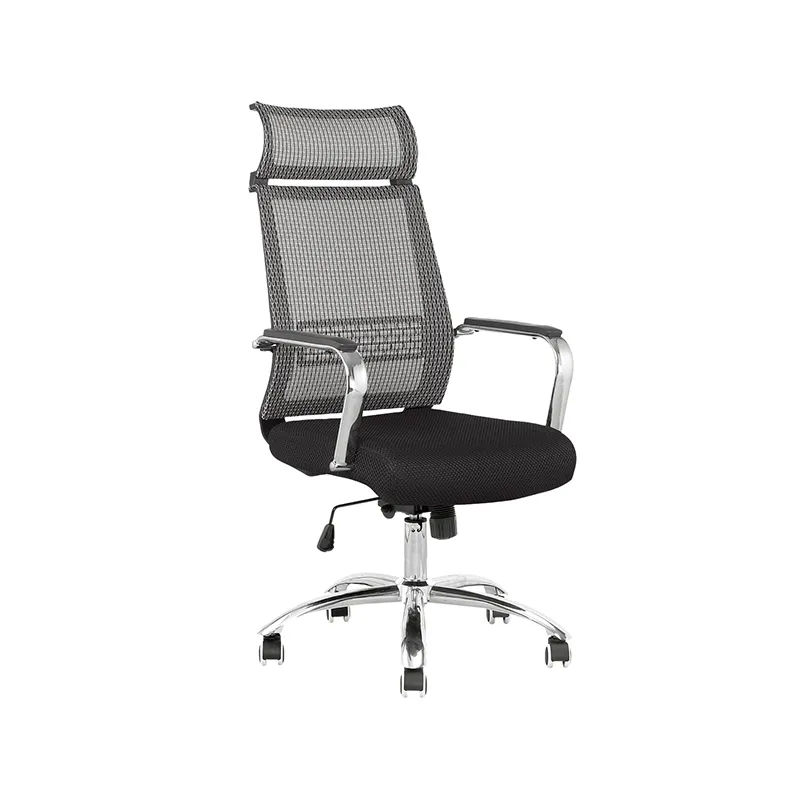
You approved a great sample, you placed the order — and now 500 chairs are sitting in a warehouse about to ship. A pre-shipment inspection is your last chance to catch a problem before it's on the ocean. Here's how it works and what it should cover.
What "AQL" actually means
AQL — Acceptable Quality Limit — is a standard statistical method (ISO 2859) for inspecting a sample of a batch instead of every single unit. You don't open 500 cartons; you open a calculated number, and the standard tells you how many defects are acceptable before the batch fails.
Defects are usually graded:
- Critical — safety issues (e.g. a faulty gas lift). Zero tolerance.
- Major — a defect a customer would notice and return (wobble, broken adjustment, big cosmetic flaw).
- Minor — small cosmetic issues with a higher allowance.
You set the AQL levels (a common choice is 0 critical / 2.5 major / 4.0 minor). The inspector pulls the sample and counts.
What a good chair inspection covers
A proper chair inspection isn't just "do they look okay?" It should include:
- Function: every adjustment worked, height holds, recline locks, nothing rattles.
- Stability and safety: five-star base, gas lift markings/class, no tipping.
- Assembly fit: parts go together correctly, hardware complete.
- Cosmetic: stitching, mesh tension, foam, scratches, colour match to the approved sample.
- Measurements: key dimensions and weight against spec (a quiet check for thinner steel/lower-density foam).
- Packaging and labels: carton strength, barcodes, manuals, and units-per-carton — plus often a carton drop test for e-commerce.
- Quantity and loading: the right number of units, packed and ready.
DIY, third-party, or factory?
- Third-party inspection (SGS, QIMA, etc.) — independent eyes, you pay a few hundred dollars. Recommended for first orders or large runs.
- Factory self-inspection — a good factory inspects its own output anyway and shares the report. Useful, but it's the factory checking itself.
- Your own QC — if you have someone in-country.
For a first order with a new supplier, a third-party pre-shipment inspection is cheap peace of mind. For ongoing orders with a trusted factory, their own QC plus spot checks often suffice.
Why a good factory welcomes it
Here's the tell: a factory that's comfortable with inspection is a factory that's confident in its output. We run our own AQL checks and welcome third-party inspectors — it's far cheaper for everyone to fix a problem in our warehouse than to argue about it after it's landed in yours.
If you want an order inspected against your approved sample — yours, a third party's, or ours plus a shared report — tell us at mail@ajrt.net or through the site, and we'll build the inspection into the plan.