Anji: the "world's chair capital," and why it matters to your order
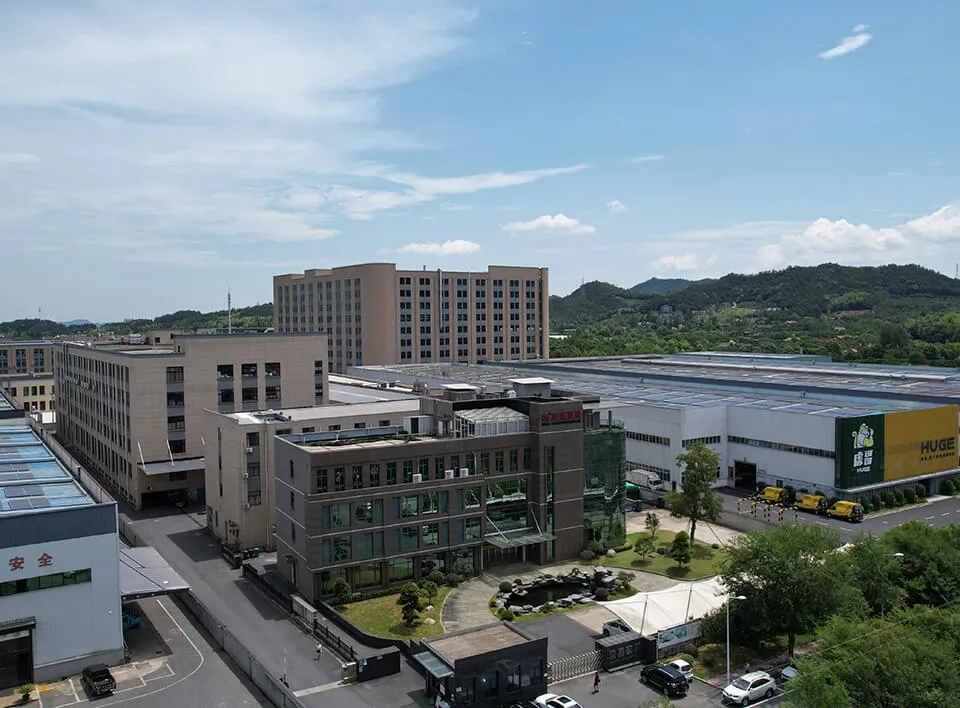
If you're sourcing chairs from China, you'll keep running into one place name: Anji, a county in Zhejiang. There's a reason. Industry figures put roughly one in three swivel chairs in the world as coming from here, and a large share of China's office-chair exports ship out of this one area. Locals call it the "world's chair capital." That's not a brochure line — it's a description of how the supply chain is laid out. And it has real, boring, useful consequences for your order.
We're one factory among many here. So instead of selling you on us, let's explain why *the place* helps you, whoever you end up buying from.
Everything a chair needs is within a few kilometres
Pull an office chair apart and you get foam, mesh, fabric, a gas lift, a five-star base, casters, a mechanism, plastic and metal parts, and the upholstery labour to put it together. In most of the world, those come from a dozen suppliers spread across regions. In Anji, they're clustered in the same county.
That density is the whole story. Here's what it changes for you:
- Lead times hold. When the gas lifts or the mesh you need are made down the road, a factory isn't waiting two weeks on a shipment from another province to start your order.
- Changes are cheap and fast. Want a different base, a new mesh colour, a tweaked armrest? The supplier who makes that part is local, so sampling a change takes days, not a month.
- Prices are honest. Competition is fierce — there are over a thousand chair-related companies here. That keeps quotes lean, and it makes it hard for any single factory to quietly inflate component costs.
The catch: density cuts both ways
Honesty time. The same ecosystem that makes Anji great also makes it easy to get burned, because not everyone with an Anji address actually builds chairs:
- Traders pose as factories. Plenty of "manufacturers" here are really trading offices that subcontract. Nothing wrong with a good trader — but you should *know* which you're dealing with, because it affects price, control and accountability.
- Quality has a huge range. With this many players, you can buy a genuinely excellent chair or a genuinely bad one at almost the same photo and price. The cluster doesn't guarantee quality; it just guarantees *availability*.
So the location is an advantage, not a promise. Use it as a filter, not a finish line.
How to use "made in Anji" as a buyer
- Ask to see the actual production. A real Anji factory can show you welding, foaming and assembly on a video call or in person. We're happy to — being here means there's a real floor to show.
- Use the local supply chain to your benefit. Because changes are cheap here, don't be shy about asking for the exact spec, colour or packaging you want. In a lot of regions that flexibility costs a fortune; here it usually doesn't.
- Visit if it's a big program. Many buyers combine a factory visit with the CIFF furniture fair. Seeing three or four Anji factories in a day tells you more than a month of emails.
The honest summary
"Made in Anji" doesn't mean a chair is good — it means the ingredients, the skills and the competition that *can* make it good are all in one place. That's a real edge: shorter lead times, cheap customization, and lean prices. The rest is on the factory you pick.
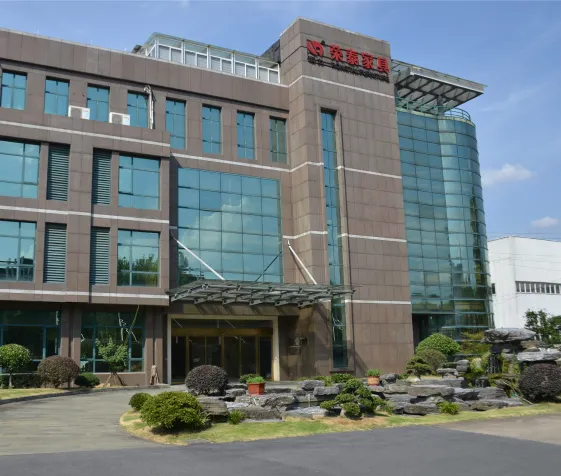
We've built here since 2002, with our own plant and the local supply chain on our doorstep. If you want to see what that means for a specific chair — a quote, a sample, or a video walk of the line — email mail@ajrt.net or send a message through the site.